
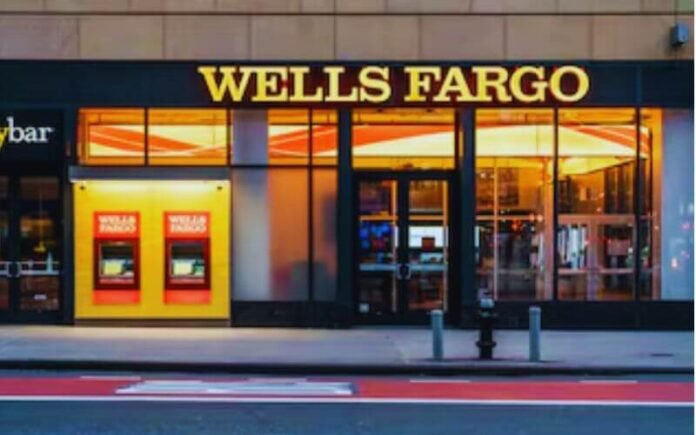
Recent headlines about Wells Fargo closing branches and cutting jobs have understandably worried customers and investors. But there is a significant difference between a bank restructuring and a bank collapsing and right now, Wells Fargo is doing the former, not the latter.
This article breaks down what is actually happening with Wells Fargo today. We will look at its current financial standing, what branch closures and layoffs really signal, how depositors are protected, and what genuine bank failure warning signs look like.
Wells Fargo Is Still Open Here Is Where It Stands Today
To answer the core question directly: Wells Fargo is not going out of business.
Wells Fargo remains one of the four largest banks in the United States by total assets, alongside JPMorgan Chase, Bank of America, and Citigroup. It serves tens of millions of customers across retail banking, commercial lending, and wealth management.
The bank continues to report quarterly earnings and pay dividends to shareholders. It has not been placed into receivership, and no regulator has announced any form of resolution or wind-down process. By every standard financial measure, Wells Fargo is an active, operating institution.
That said, the bank has been dealing with a long list of challenges regulatory penalties, reputational damage, and ongoing restructuring. Those are real issues worth understanding. But they are not the same as insolvency.
Branch Closures Are Not the Same as a Bank Shutdown
The most common source of confusion is straightforward: people see a branch close and assume the company itself is failing. That is not how it works.
Wells Fargo has closed dozens of physical branches and has additional closures scheduled through 2026. In January 2025, for example, a main downtown branch closed, with customers directed to another location about a mile away and to digital banking channels. That is a consolidation move, not an exit from the market.
Think of it this way: if a grocery chain closes one location in a city while keeping five others open, that is a footprint adjustment. It may be inconvenient for nearby customers, but it is not evidence the company is shutting down.
Branch closures across the banking industry have been accelerating for years. As more customers use mobile deposits, online bill pay, and digital account management, in-person branch visits have declined significantly. Wells Fargo is not unique here most major U.S. banks have been trimming physical locations for the same reason.
Specific closure records show branches being shut primarily due to consolidation and shifting customer behavior, not financial distress. If your local branch is closing, check for the nearest alternative location or explore Wells Fargo’s digital banking options before assuming something larger is happening.
Layoffs and Cost Reductions — What They Mean for the Business
Wells Fargo has also been reducing its workforce, with reports of deeper-than-expected cuts heading into late 2025. This has added fuel to online speculation about the bank’s future.
It is worth putting this in context. Large financial institutions regularly adjust headcount based on interest rate environments, regulatory compliance costs, and technology investments that replace manual processes. A bank investing in automation will often need fewer people to do the same work that is painful for employees but does not signal collapse.
Consider an analogy: a large manufacturer that closes select facilities and reduces staff during an automation overhaul may generate alarming headlines. But unless the company is running out of cash or losing major contracts, those moves reflect operational change, not impending failure.
Layoffs can absolutely affect service quality and employee morale those are legitimate customer concerns. But workforce reductions alone are not evidence that Wells Fargo is preparing to cease operations.
One important note: some of the layoff figures circulating on social media have not been confirmed by formal financial reporting. Treat those figures as context and verify them against credible business news sources before drawing conclusions.
Wells Fargo’s Regulatory History and What It Means Now
Wells Fargo has had a genuinely troubled recent history with regulators, and it would be dishonest to gloss over that.
The 2016 fake accounts scandal in which employees opened millions of unauthorized customer accounts without consent resulted in significant fines and lasting reputational damage. That was followed by additional regulatory actions related to auto lending, mortgage servicing, and wealth management practices.
In 2018, the Federal Reserve imposed an asset cap on Wells Fargo, restricting the bank’s balance sheet growth until it could demonstrate satisfactory improvements in governance and risk management. That cap has remained in place for several years and has limited the bank’s ability to expand and compete at full scale. Readers should check the current status of this cap when making any financial decisions, as it may be updated.
These regulatory constraints and fines have hurt Wells Fargo’s growth and reputation. But regulatory penalties and growth restrictions are not the same as insolvency. The bank continues to operate within those constraints while working toward compliance.
How Depositor Protections Work at a Bank Like Wells Fargo
Even if someone remains skeptical, it helps to understand exactly how deposits are protected at a large federally insured bank.
Deposits at Wells Fargo are insured by the Federal Deposit Insurance Corporation (FDIC) up to $250,000 per depositor, per insured bank, per account ownership category. That means if a customer holds a personal checking account and a personal savings account at Wells Fargo, the combined FDIC coverage for accounts in their name alone is $250,000.
Here is a practical example. If someone has $300,000 spread across personal accounts under a single ownership category at Wells Fargo, $250,000 is insured and $50,000 technically exceeds standard coverage. As a general best practice regardless of which bank you use it is wise to keep total deposits within insured limits or spread excess funds across multiple FDIC-insured institutions.
Post-2008 financial reforms, including the Dodd-Frank Act, also require large banks to maintain strong capital reserves, pass regular stress tests, and submit “living wills” that outline how they could be wound down in an orderly way without a chaotic collapse. Wells Fargo is subject to all of these requirements. The Federal Reserve, the OCC, and the FDIC all monitor its operations closely.
What Actual Bank Failure Looks Like and Why Wells Fargo Doesn’t Fit That Picture
It is useful to understand what a genuine bank failure looks like, because Wells Fargo’s current situation does not match that profile.
When Silicon Valley Bank failed in 2023, the warning signs were specific and severe: a concentrated deposit base, rapid large-scale withdrawals, a sudden need for emergency capital, and then an FDIC takeover announcement within days. Trading was halted, regulators stepped in publicly, and depositors received official communications from the FDIC about access to their funds.
None of those conditions apply to Wells Fargo right now. The bank has not been placed into FDIC receivership. Regulators have not signaled any imminent resolution process. There are no emergency capital raises or trading halts driven by liquidity concerns.
What does exist is a bank working through long-running regulatory remediation, cutting costs in a shifting industry environment, and dealing with a damaged reputation it has been trying to repair for nearly a decade. That is a different situation entirely.
A Note on Misinformation and Satire
One piece of content worth flagging directly: there is a satirical article titled “The Day Wells Fargo Closed” that describes the bank shutting its doors for good. It is a work of commentary and fiction not a news report, not based on regulatory filings, and not predictive of any real event. However, its headline has been shared without context, leading some readers to believe it reflects real news.
If you encounter a story about Wells Fargo closing that lacks dates, regulatory quotes, or links to official filings, look for those elements before treating it as fact. Credible reporting on a bank closure would come from the FDIC, major financial news wires, or the bank itself not social media posts or opinion pieces.
Practical Steps for Wells Fargo Customers
Whether or not you are concerned, a few practical steps are always worth taking as a bank customer:
- Check your FDIC coverage. Keep personal deposit totals within the $250,000 insured limit per ownership category, or spread funds across multiple insured banks if needed.
- Confirm branch alternatives. If your local branch is closing, identify the nearest open location and familiarize yourself with Wells Fargo’s digital and ATM services.
- Monitor official sources. If you want accurate updates on Wells Fargo’s status, follow Wells Fargo’s investor relations page, the FDIC website, and established financial news outlets not social media rumors.
- Consider diversifying. It is generally sound financial practice to maintain accounts at more than one institution, regardless of any specific bank’s situation.
For broader business context and news on topics like this, Daily Business Media covers financial developments with analysis grounded in current reporting.
The Bottom Line
Wells Fargo is not going out of business. Branch closures are part of an industry-wide shift toward digital banking. Layoffs reflect cost-cutting and restructuring that is common across large financial institutions. Regulatory penalties and a growth cap are real constraints, but they are not signs of insolvency.
The bank has a complicated history and real problems it is still working through. Customers and investors are right to pay attention. But the gap between “a bank with serious challenges” and “a bank that is shutting down” is significant and right now, Wells Fargo clearly sits in the former category, not the latter.
Also Read: