
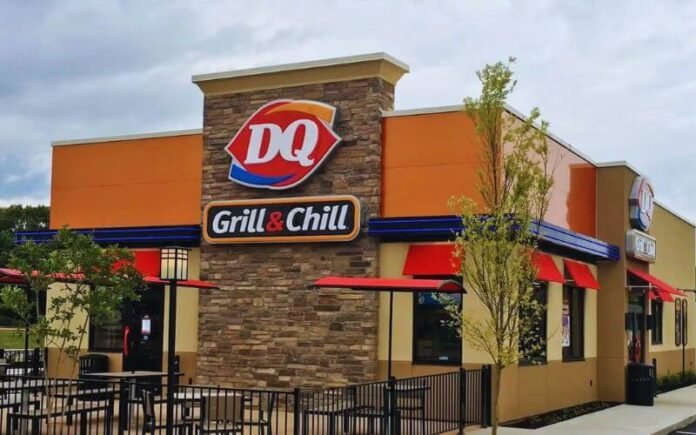
Headlines about dozens of Dairy Queen locations shutting down in Texas have prompted a straightforward question from customers and communities: is the entire chain on its way out?
The short answer is no. But the longer answer is worth understanding, because the difference between a brand closing and a franchise group closing matters and it changes how you interpret the news entirely.
Dairy Queen as a Brand Is Not Going Out of Business
There are no credible reports that Dairy Queen corporate is filing for bankruptcy or planning a nationwide shutdown. The chain remains a large international operation with thousands of locations across the United States and globally.
The closure headlines that have been circulating in 2025 refer to specific franchise operators not to the corporate brand itself. This distinction is the key to understanding everything else in this article.
Dairy Queen corporate sets the brand standards, licenses the name, and supports the franchise system. Individual business owners or regional groups own and run the actual restaurants. When one of those owners runs into financial trouble, it affects their stores. It does not bring down the entire chain.
What Happened in Texas The 2025 Dairy Queen Closures Explained
In February 2025, approximately 25 Dairy Queen locations in Texas closed. The affected stores were primarily in the southern and eastern regions of the state. By early April 2025, that number had grown to roughly 40 closed Texas locations.
These closures were tied to a franchise group known as Project Lonestar, which ended its relationship with Dairy Queen corporate. The situation appears to involve a franchise dispute rather than a directive from Dairy Queen to exit the Texas market.
Consider a reader in East Texas who sees a headline saying “40 Dairy Queen locations closed.” It is easy to assume the brand is failing. But those 40 stores were part of one franchise group. Hundreds of other Dairy Queen locations throughout Texas and across the country continued operating without interruption.
The closures reflect what happened between one operator and the corporate brand not the collapse of Dairy Queen as a whole.
How the Dairy Queen Franchise Model Works and Why It Matters Here
Dairy Queen operates primarily as a franchise system. Most locations are owned by independent business owners or regional groups, not by corporate. This structure is common across major fast-food chains.
When a franchise group files for bankruptcy or ends its franchise agreement, multiple locations can close at the same time. That produces large, attention-grabbing headlines. But the underlying cause is the financial health of that specific operator not the brand itself.
Think of it this way. If a company that operates 20 Marriott-branded hotels files for bankruptcy and closes those properties, local news might carry headlines about Marriott closing. But Marriott as a global brand keeps running thousands of hotels worldwide. The same logic applies to Dairy Queen.
Franchise agreements can be revoked, transferred, or allowed to expire. Each of those outcomes produces a different result for individual stores, but none of them necessarily reflects on the strength of the broader brand.
This Has Happened Before The Vasari Bankruptcy and 30 Store Closures
The Project Lonestar situation is not without precedent. Around 2017, a company called Vasari LLC owned approximately 70 Dairy Queen locations across Texas, Oklahoma, and New Mexico. It filed for Chapter 11 bankruptcy.
The filing resulted in the announced closure of 30 Dairy Queen restaurants and significant job losses for employees across those locations. Bankruptcy documents noted that while some individual stores were profitable, the company as a whole was facing net operating losses it could not sustain.
Despite those closures, Dairy Queen continued operating normally across the rest of the country. The brand did not collapse. Other franchise owners kept their stores open and running.
The pattern from Vasari in 2017 to Project Lonestar in 2025 shows that regional franchise distress is a recurring feature of large franchise systems. It is not evidence of brand-level failure.
Why Do Individual Franchises Fail?
There is rarely a single cause. A combination of factors tends to drive franchise-level closures:
- Rising operating costs: Labor costs, food prices, and overhead have increased across the restaurant industry. Marginal locations that were barely profitable become unsustainable.
- Franchise disputes: Disagreements between a franchisee and the corporate brand can lead to franchise rights being revoked or an owner choosing to walk away from the brand entirely.
- Local market conditions: Declining foot traffic, high rent, or an outdated facility can make a specific store unviable even if nearby locations are doing well.
- Seasonality and competition: Ice cream-focused brands face natural revenue dips in colder months. Competition from newer dessert and coffee concepts has also added pressure.
None of these factors are unique to Dairy Queen. They affect franchise-based restaurant chains broadly, and they tend to surface first in locations that are already operating on thin margins.
What Happens to Employees and Local Communities
When a franchise closes, the impact on workers and local communities is real. In the Vasari bankruptcy, hundreds of employees lost their jobs across the 30 closing stores.
In smaller towns, a Dairy Queen location may be one of the only recognizable fast-food or dessert brands around. When it closes, it feels significant and it is, at the local level. That emotional weight is part of why these closures generate outsized concern about the brand’s future.
Some closures also leave room for a turnaround. There are cases where a local Dairy Queen has publicly announced it would permanently close unless a new buyer stepped in. This illustrates that the corporate brand is still open to franchising the issue is finding an operator willing to take on the location. In some cases, a new franchisee does emerge and the store reopens.
How to Find Out If Your Local Dairy Queen Is Affected
If you are concerned about a specific location, there are practical ways to check:
- Use the official Dairy Queen store locator on their website to see if the location is still listed.
- Check local news outlets franchise closures in a community are typically reported regionally before they show up in national coverage.
- Look at the store’s own social media page. Owners often announce closures or ownership changes directly to their followers.
Closures tied to large franchise groups like Project Lonestar tend to be concentrated geographically. If your Dairy Queen is in a different region or under a different operator, it is likely unaffected by those specific events.
Is Dairy Queen’s Long-Term Future Secure?
Based on currently available information, there is no credible evidence that Dairy Queen corporate is in serious financial distress or planning to wind down its operations. The closures making headlines are tied to specific franchise operators, and that pattern has repeated itself before without threatening the brand’s overall existence.
What is likely happening is a form of consolidation underperforming locations operated by struggling franchise groups are exiting the system, while stronger operators and markets continue. This is a normal part of how large franchise systems evolve over time.
For readers who follow business and franchise news closely, Daily Business Media covers developments like these with context that helps separate short-term disruptions from longer-term brand trends.
The broader fast-food industry is navigating a difficult cost environment right now. Chains that rely heavily on discretionary spending ice cream and treats included feel that pressure more acutely during economic tightening. But difficulty and decline are not the same thing.
The Bottom Line
Dairy Queen is not going out of business. What has happened in 2025 and in similar situations before is that specific franchise operators have ended their agreements with the brand, resulting in clusters of closures in particular regions.
The distinction between a franchise group failing and a brand collapsing is not a technicality. It is a meaningful difference that changes the entire picture. One operator’s exit does not mean Dairy Queen is disappearing from the map.
If your local Dairy Queen is still listed and operational, there is no current reason to believe it is at risk solely because of what happened in Texas. Watch local news, check the store locator, and base your conclusions on what is happening in your specific market not on headlines that describe a much narrower situation.
Also Read: