
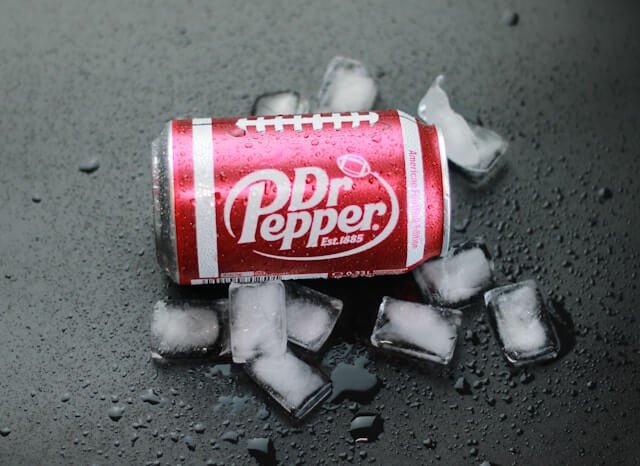
If you have seen posts on social media claiming that Dr Pepper is disappearing, you are not alone. The rumor has spread quickly across Facebook, Instagram, and other platforms, leaving many people genuinely worried about losing access to one of America’s most recognizable soft drinks.
The short answer is no Dr Pepper is not going out of business. What is actually happening is a distribution change, and understanding that difference matters. This article explains who owns Dr Pepper, what the Coca-Cola split is actually about, and what you can realistically expect to see at stores and restaurants going forward.
Dr Pepper Is Not Going Out of Business
To be direct: Dr Pepper is not closing, filing for bankruptcy, or being discontinued. No credible business reporting supports that claim.
The confusion stems from a specific change in how Dr Pepper is delivered to certain locations not from any corporate collapse or financial failure. These are two very different things. A brand shutting down and a brand adjusting its distribution network are not remotely the same situation.
Facebook posts and comment threads show that even regular consumers are stepping in to correct the record. The consistent explanation is simple: Dr Pepper is ending a distribution partnership with Coca-Cola in certain markets. That is a business restructuring, not a shutdown.
Who Owns Dr Pepper and How Large Is the Company
Dr Pepper is owned by Keurig Dr Pepper (KDP), a major North American beverage company. KDP was formed in 2018 when Keurig Green Mountain and Dr Pepper Snapple Group merged.
The company is publicly traded on Nasdaq under the ticker symbol KDP and manages a portfolio of more than 125 brands. That list includes 7UP, Canada Dry, Snapple, and many others across both hot and cold beverage categories.
On its official website, Keurig Dr Pepper describes itself as a leading beverage company in North America. That is not the profile of a business that is struggling to survive. For anyone who wants current financial data, KDP’s investor relations page publishes annual reports and earnings updates that reflect the company’s ongoing activity.
The scale of KDP is important context here. This is not a small regional brand with a single product. It is a diversified, publicly traded company with significant infrastructure, manufacturing capacity, and market presence across the continent.
The Coca-Cola Distribution Deal and Why It Is Ending
Here is the actual story behind the headlines.
In certain U.S. markets, Coca-Cola bottlers have historically been responsible for delivering Dr Pepper to fountain accounts, vending machines, and similar locations. This kind of arrangement is common in the beverage industry companies sometimes rely on established distribution networks to reach venues they do not directly service.
That arrangement is now ending. Coca-Cola is terminating its distribution relationship with Keurig Dr Pepper in those markets, and KDP has secured a court ruling that allows it to cut ties with specific Coke-aligned distributors, including Reyes Coca-Cola. According to social media posts tracking the situation closely, some of these transitions are expected to begin around late 2025.
The strategic reasoning on both sides is straightforward. For KDP, bringing distribution in-house means tighter control over pricing, product placement, and long-term margins. It also reduces dependence on a direct competitor. For Coca-Cola, ending the deal allows it to simplify its bottler network and focus exclusively on its own brands.
Reporting from Syracuse.com confirmed that Dr Pepper will “quietly disappear” from some Coca-Cola-branded soda machines and fountains as the partnership winds down. That sentence sounds alarming out of context, but it is specifically describing fountain machine availability in Coke-controlled venues not the end of the brand itself.
What Consumers Will Actually Notice at Stores and Restaurants
This is where things become practical. The change will not look the same everywhere, so it helps to break down where Dr Pepper will and will not be affected.
Grocery Stores and Retail Locations
Canned and bottled Dr Pepper in grocery stores, convenience stores, and major retailers will continue to be available. KDP controls its own manufacturing and manages distribution through many retail channels that have nothing to do with the Coca-Cola bottler network.
If you buy Dr Pepper by the case or as a 2-liter bottle at a supermarket, that product line is not changing because of this distribution split.
Fast-Food Restaurants and Fountain Machines
This is where consumers will most likely notice a difference. Fast-food chains, movie theaters, stadiums, and similar venues that use Coca-Cola fountain systems are tied to Coke’s distribution infrastructure. Once the distribution agreement ends in those markets, the Dr Pepper option on those machines may be removed.
In some of those locations, Dr Pepper could be replaced by Pibb Xtra, which is Coca-Cola’s own alternative to Dr Pepper. The two drinks are similar in profile, but they are not the same product.
A practical example: a customer at a fast-food chain using a Coke fountain system may no longer see Dr Pepper listed as an option. But that same customer can walk into the grocery store next door and still find it on the shelf. The product has not disappeared it has just lost one distribution channel in that venue.
Regional Variation
Not every market relied equally on Coke bottlers for Dr Pepper delivery. In areas where that relationship was more central, consumers may notice a larger gap in fountain availability. In regions where KDP had stronger independent distribution, the impact may be minimal. The changes will roll out over time and will not be uniform across the country.
Why the “Going Out of Business” Rumor Spread So Quickly
The leap from “Dr Pepper leaving Coke machines” to “Dr Pepper is gone forever” is understandable, even if it is inaccurate.
Social media content tends to compress complex business stories into short, dramatic clips. A reel that says “Coke is dropping Dr Pepper starting October 2025” is technically describing a distribution change, but it sounds like a brand cancellation to someone scrolling quickly past it.
The phrase “disappearing from machines” lands differently than “restructuring a distribution partnership.” One sounds like an ending. The other sounds like a logistics update. When the former version travels faster through social platforms, the rumor gains traction even without any factual basis for concern.
Dr Pepper Has Survived Disruptions Before
For historical perspective: Dr Pepper dates back to the 1880s in Waco, Texas and was first marketed nationally in 1904. According to the Texas State Historical Association, a corporate entity connected to the brand the Circle “A” Corporation went bankrupt in 1923. The brand did not disappear. It continued under new corporate structures and eventually grew into the national product it is today.
The current distribution shift is far less severe than a bankruptcy. It is a planned, strategically motivated separation between two companies that had a business arrangement, one that both sides appear to be managing deliberately.
For more business coverage like this, visit Daily Business Media.
What to Watch Going Forward
Over the next year or two, a few developments are worth monitoring if you follow this story.
- KDP’s distribution expansion: Watch for announcements about KDP building out its own delivery infrastructure or forming new food-service partnerships to replace what Coke bottlers previously handled.
- Fountain alternatives in Coke venues: In locations that exclusively use Coca-Cola equipment, expect Pibb Xtra to appear more prominently as Dr Pepper is phased out.
- Short-term availability gaps: Some locations may temporarily lack Dr Pepper on tap while logistics adjust. This is a transition issue, not a sign of anything permanent.
- Possible pricing shifts: Bringing distribution in-house can affect costs in either direction. No specific forecast is appropriate here without current data, but it is a variable worth tracking.
The Bottom Line
Dr Pepper is not going out of business. Keurig Dr Pepper is an active, publicly traded company managing over 125 beverage brands with operations across North America. The brand itself has been around for more than 140 years.
What is changing is a specific distribution arrangement with Coca-Cola bottlers in certain U.S. markets. That means some Coke-operated fountain machines may no longer carry Dr Pepper starting around late 2025. It does not mean the product is being discontinued, that the company is in financial trouble, or that you will stop finding it at the grocery store.
When a business adjusts its supply chain, it does not make headlines the way a shutdown would. But when that adjustment gets simplified into a social media post, it can look like something much more dramatic than it actually is. In this case, the facts are far less alarming than the rumor.
Also Read: