
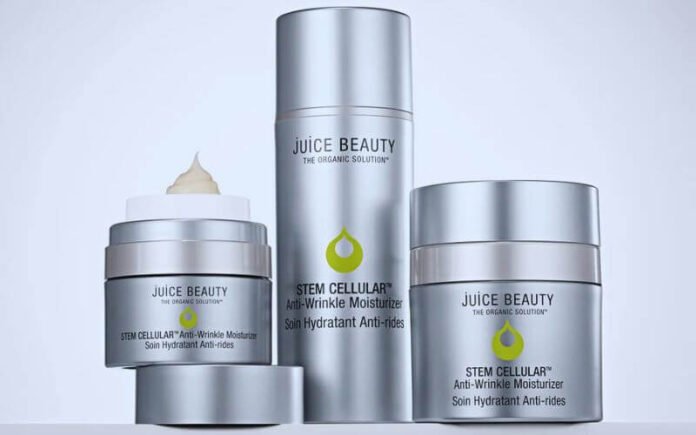
A headline describing Juice Beauty as having “run out of juice” spread quickly through the beauty industry, and it caught a lot of people off guard. Loyal customers started wondering whether their favorite clean skincare brand had closed for good. The concern was understandable, but the full picture is more nuanced than a single headline suggests.
This article breaks down what actually triggered the rumors, what the financial process involved really means, what the brand’s current status appears to be, and what you should know before placing an order or switching to an alternative brand.
Why People Think Juice Beauty Closed
The concern started when Beauty Independent, a well-regarded trade publication in the beauty industry, reported that Juice Beauty had pursued an Assignment for the Benefit of Creditors (ABC). This is a formal process used by financially distressed companies to liquidate assets and pay off creditors.
The article’s headline framing the brand as having “run out of juice” was attention-grabbing, and it spread quickly on social media. Many readers interpreted it as confirmation that the brand had permanently shut down.
That interpretation was not entirely accurate. The ABC process does not automatically mean a brand stops existing. But without context, the headline understandably sparked concern, especially among customers who had been using Juice Beauty products for years.
What an Assignment for the Benefit of Creditors Actually Means
Most people are familiar with the term “bankruptcy,” but an Assignment for the Benefit of Creditors is a different legal process. It is worth understanding the distinction, because confusing the two leads to the wrong conclusions.
In an ABC, a financially troubled company voluntarily assigns its assets to a neutral third party. That third party sometimes called an assignee sells or liquidates those assets and distributes the proceeds to creditors. The whole process is governed by state law, not federal bankruptcy court, which makes it faster and less public than a Chapter 11 or Chapter 7 filing.
Beauty Independent specifically describes Juice Beauty’s ABC as a “bankruptcy alternative.” That framing matters. It signals serious financial difficulty, but it does not mean the brand simply vanished.
Here is a practical way to think about it: imagine a local store in financial trouble handing its operations to a specialist, who then sells off inventory, equipment, and other assets. In some cases, a buyer steps in, acquires the brand name and formulas, and reopens the store under the same name with new management. The original company may be gone, but the brand continues in a new form.
That is the type of outcome an ABC can produce. The brand name, intellectual property, product formulas, and remaining inventory can all be acquired by a new owner who then relaunches the brand. A corporate restructuring does not necessarily erase a brand from existence.
Current Evidence That Juice Beauty Is Still Operating
The clearest way to assess whether Juice Beauty is still in business is to look at what is actually happening publicly right now.
The official Juice Beauty website is live. It features active product listings, a bestsellers section, and current promotions. This is consistent with a functioning e-commerce operation, not a company that has permanently ceased trading.
More directly, a recent post on the official Juice Beauty Instagram account references “our relaunch” and thanks the community for what the brand describes as “overwhelming support.” The post states that the team is “energized to continue bringing you clean skincare solutions.” That language does not describe a shutdown. It describes a brand that has moved through a difficult transition and is continuing to operate in some form.
To be clear, these public signals do not confirm that the business is fully recovered or that its long-term future is certain. But they directly contradict the claim that Juice Beauty has already closed. The website is active, orders are being processed, and the brand is publicly communicating with its customer base.
If you searched for Juice Beauty expecting to find a shuttered website or a notice of closure, what you actually find is a working online store with an active product catalog.
What the Relaunch Likely Involves for the Brand
Understanding what “relaunch” typically means in a post-ABC context can help set realistic expectations as a consumer.
In most cases within the beauty industry, when a brand uses the word “relaunch” after a financial restructuring event, it signals that the brand’s core assets the name, existing formulas, and remaining inventory were acquired by a new or restructured ownership entity. The original corporate structure may no longer exist, but the brand itself continues under different management or financing.
For consumers, this usually means a few things worth knowing:
- A leaner product line. Some SKUs are often discontinued or consolidated after a restructuring. If you have a specific product you rely on, it is worth checking whether it is still listed on the site or contacting customer service directly.
- Possible changes to packaging or formulas. Relaunched brands sometimes update packaging or reformulate products as part of a reset. This does not mean the products are inferior, but it can mean they look or feel different from what you purchased previously.
- Shifts in where you can buy the brand. After a restructuring event, retail distribution often shrinks. A brand that was previously available at Ulta or other third-party retailers may shift its focus to direct-to-consumer sales through its own website. This is a common outcome and reflects a strategy to reduce the costs associated with wholesale distribution.
The specific details of who acquired Juice Beauty’s assets, what was included in that transaction, and at what valuation are not publicly disclosed at this time. It would not be responsible to speculate on those details. What is publicly visible the website, the Instagram post, the relaunch language points to a brand that is continuing in some capacity, not one that has closed.
What This Means for Consumers Right Now
If you are a current or prospective Juice Beauty customer, here is what you can reasonably take away from the available information.
Products are currently being sold through the brand’s official website. That means orders can be placed. However, given the brand’s recent restructuring, it is reasonable to check the current site’s return and customer service policies before purchasing, since those may have changed under the new or restructured entity.
Some products you previously purchased may no longer be available. This is a normal outcome after a significant financial event. Rather than assuming a product has simply sold out, it may be worth reaching out to the brand directly to confirm whether it is still part of the active lineup.
For ongoing updates, the most reliable approach is to monitor the brand’s official channels its website, email newsletters, and verified social media accounts rather than relying on third-party speculation. Industry publications like Beauty Independent are also a credible source for significant developments, should any new ownership or restructuring details become public.
For broader business coverage on topics like brand restructuring, financial distress, and consumer-facing implications, Daily Business Media covers developments across industries in an accessible and straightforward format.
The Bigger Picture: What Juice Beauty’s Struggles Reflect
Juice Beauty was founded in 2005 and is widely recognized as one of the early pioneers of clean, organic beauty in the United States. For nearly two decades, it built a reputation around organic botanical ingredients, vegan formulas, and transparent ingredient standards.
But Beauty Independent‘s coverage frames the brand’s financial difficulties as part of a broader shift in the clean beauty market. The segment that Juice Beauty helped create has become significantly more competitive. Larger conventional brands have introduced their own “clean” lines, regulatory expectations have evolved, and marketing costs in the beauty space have increased substantially. Early-mover advantage, it turns out, does not guarantee long-term dominance in a category that has attracted significant investment and competition.
Juice Beauty’s situation is not unique. Several mid-size beauty brands built on premium positioning and niche ingredients have faced similar financial pressures in recent years. The combination of high production costs, crowded retail shelves, and shifting consumer priorities creates a difficult operating environment for brands without the scale of major conglomerates behind them.
None of this means clean beauty as a category is disappearing. It means the market is maturing and consolidating, and that some of the brands that built the category are finding it harder to compete on the terms that once defined their success.
The Bottom Line
Juice Beauty is not confirmed to be permanently out of business. The brand pursued an Assignment for the Benefit of Creditors a serious financial event, but one that is legally distinct from bankruptcy and does not automatically result in a brand’s disappearance.
Public evidence, including a functioning website with active product listings and an official Instagram post referencing a relaunch, indicates that the brand is continuing to operate in some form. The specific structure of any ownership change or asset acquisition has not been publicly disclosed.
If you are a loyal customer, the most practical steps are to verify current product availability directly on the Juice Beauty website, review the current return and customer service policies, and monitor official brand channels for updates. The situation may continue to evolve, and what is accurate today may change as more details about the restructuring become available.
What is clear is that the “Juice Beauty is gone” narrative, as it spread across social media, overstated what the available reporting actually confirmed.
Also Read: